South or north Gran Canaria: where to stay depending on your trip
Gran Canaria works almost like two islands in one. The south thrives on sunshine, golden sand beaches and a tourist infrastructure built for relaxation; the north moves to a different rhythm, with a city, markets, natural pools and greener scenery. Neither area is objectively better: it comes down to what kind of holiday you're after.
Advantages of the south
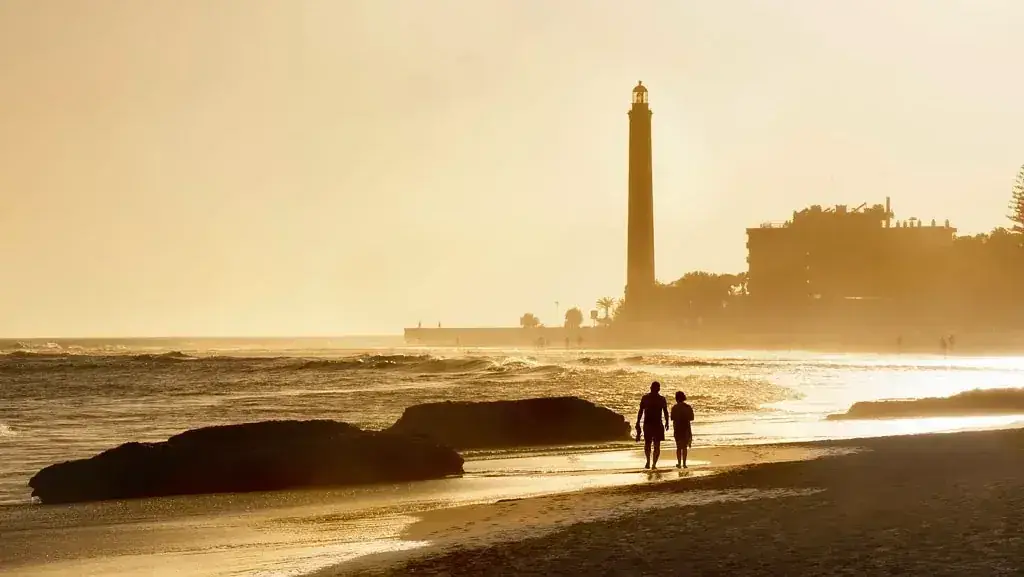
Maspalomas, Playa del Inglés, Meloneras, San Agustín and Puerto Rico hold most of the island's tourist accommodation, with wide beaches, mild temperatures for almost the whole year, and a range of restaurants and leisure options designed so you barely need to move. It's the natural choice for anyone travelling with children or after a holiday with no logistical headaches.
The south also gets, on average, more hours of sunshine over the year than the rest of the island, a fact that counts for a good deal when choosing dates and area.
Advantages of the north
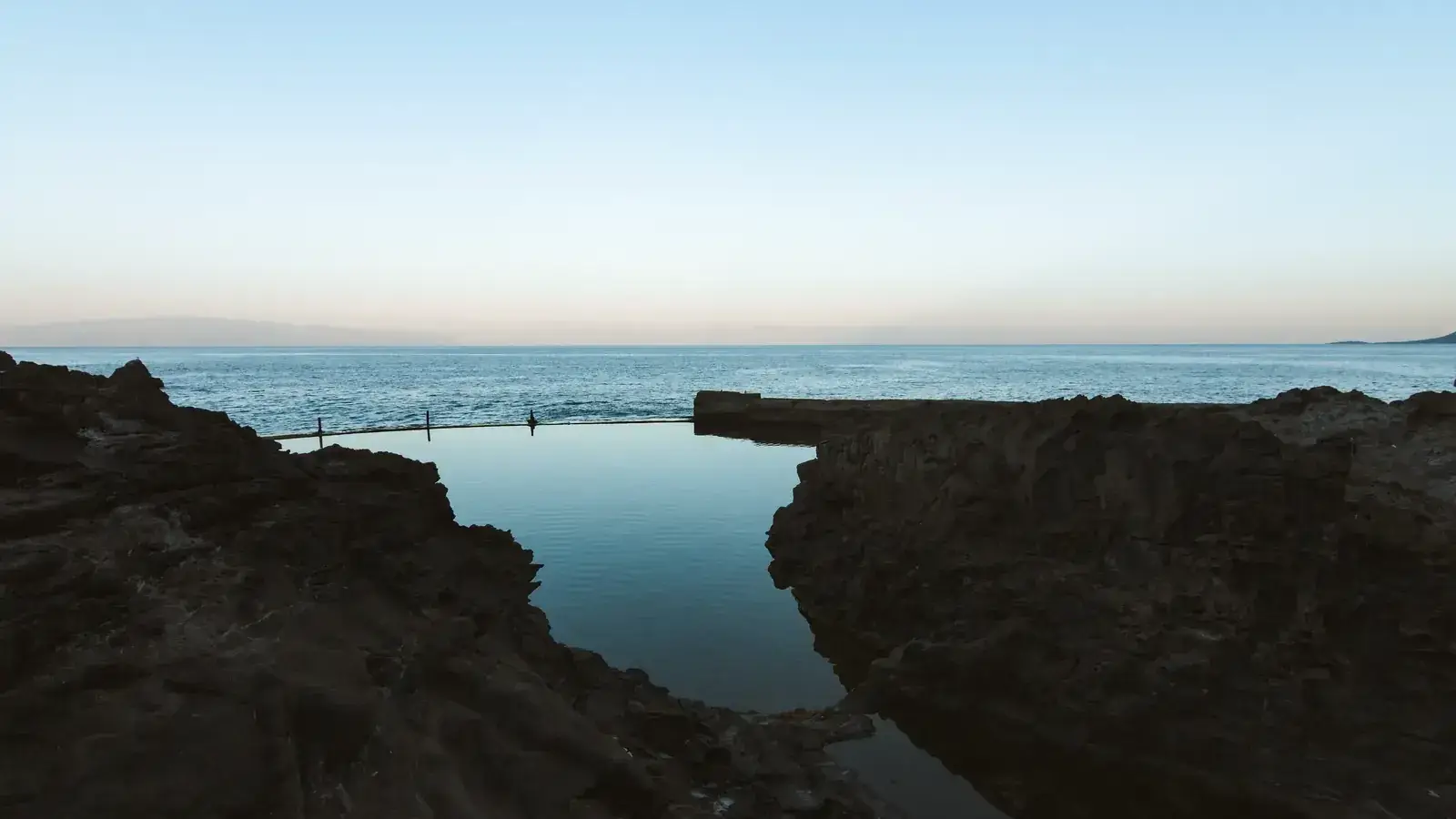
The north revolves around Las Palmas de Gran Canaria, a capital with an urban beach, historic architecture and a cultural life that doesn't depend on the tourist season. Outside the city, villages such as Teror, Arucas or Gáldar hold onto markets, natural pools carved into volcanic rock and a cuisine closely tied to local produce.
The climate here is more changeable, with more cloud cover and a bit of wind, but in exchange the scenery is noticeably greener, and the feeling of being in a local destination, not just a touristy one, comes through in every village.
So, south or north?
If the plan is beach, guaranteed sunshine and a holiday with no surprises, the south delivers without fail. If you'd rather have a city, culture and a more genuine relationship with the island, the north is the better fit. For a first visit, staying in the south and booking one or two day trips to the north tends to be the formula most travellers repeat.
In the end, Gran Canaria is best enjoyed when you see both sides: the south to relax, the north to discover.
FAQs
Which area of Gran Canaria gets more hours of sunshine?+
The south, led by Maspalomas and its surroundings, gets on average more hours of sunshine a year than the north of the island, where the climate is more changeable and cloudy.
Is it better to stay in the south or the north of Gran Canaria?+
It depends on the kind of trip: the south offers beaches, sunshine and a very complete tourist offering; the north brings a city, culture and villages with markets and natural pools. Neither area is generally superior — each suits a different type of traveller.
Can you visit the north while staying in the south?+
Yes, it's the most common option for a first visit. Las Palmas de Gran Canaria and the northern villages can be covered in one or two day trips from anywhere in the south of the island.
What does the north of Gran Canaria offer that the south doesn't?+
A capital with an urban beach and its own cultural life, villages such as Teror or Arucas, natural pools of volcanic origin, and a cuisine closely tied to local produce.
You may also like
What to see in Gran Canaria in 7 days: an itinerary around the whole island
 Guide
What to see in Gran Canaria in 7 days: an itinerary around the whole island
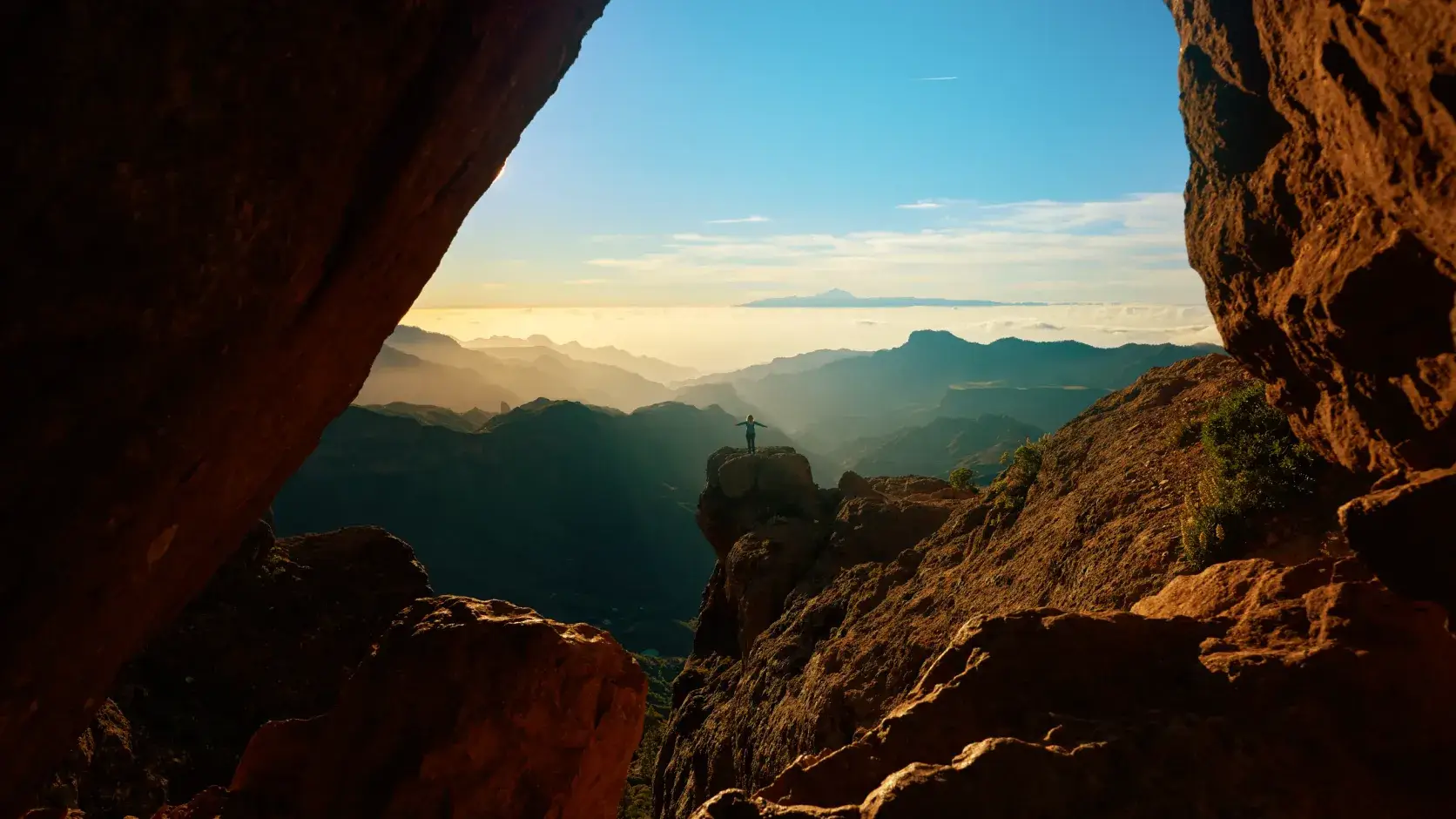
A week in Gran Canaria: the capital, the Dunas de Maspalomas, Puerto de Mogán, the summit, inland villages and the best beaches to round off the trip.
The best things to do in Gran Canaria: beach, mountains and food
 Guide
The best things to do in Gran Canaria: beach, mountains and food
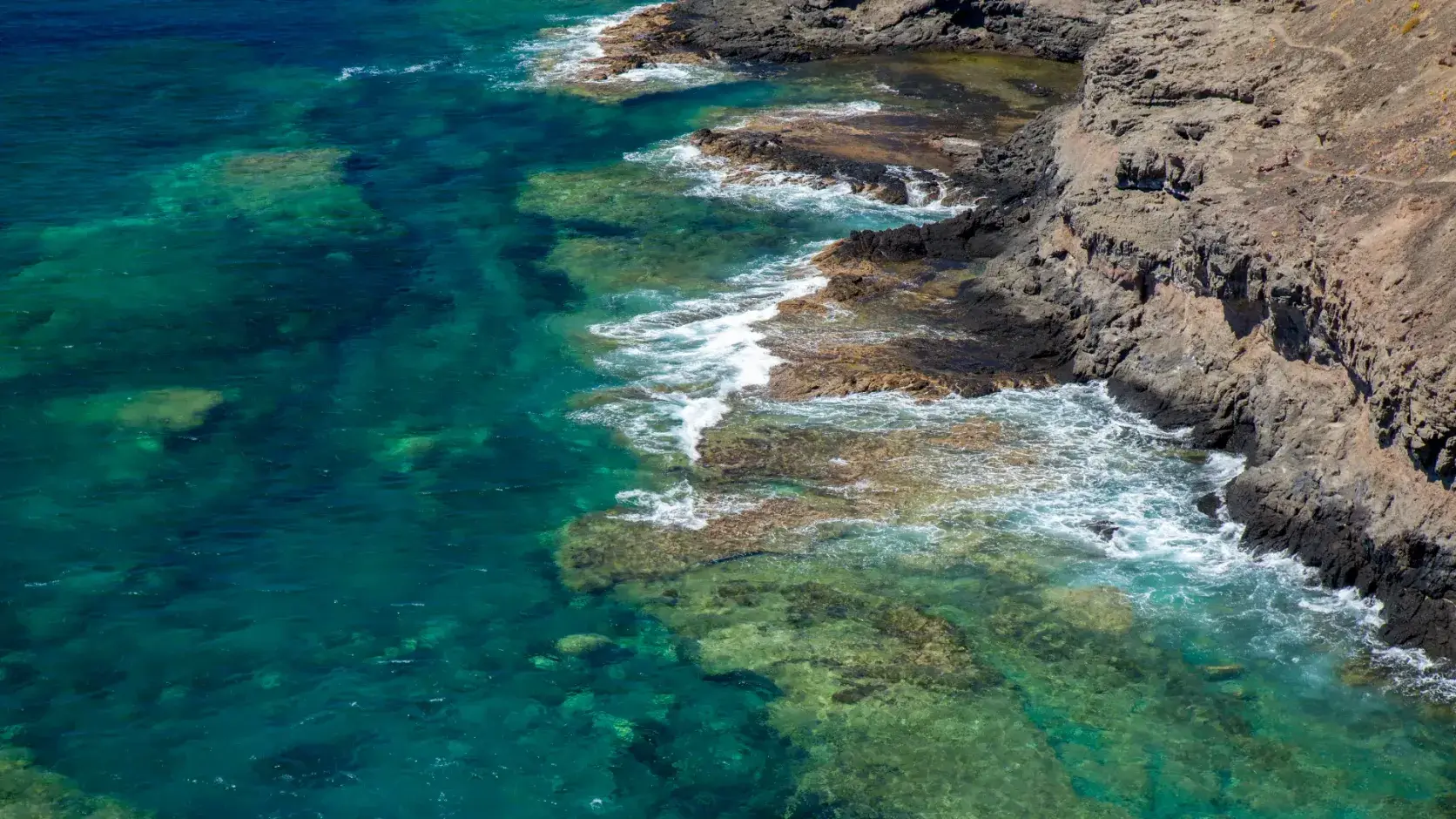
A selection of things to do in Gran Canaria: the Dunas de Maspalomas, Las Canteras, mountain routes, charming villages and local food.